Overcoming HIV and Cervical Cancer: Scovia's Story
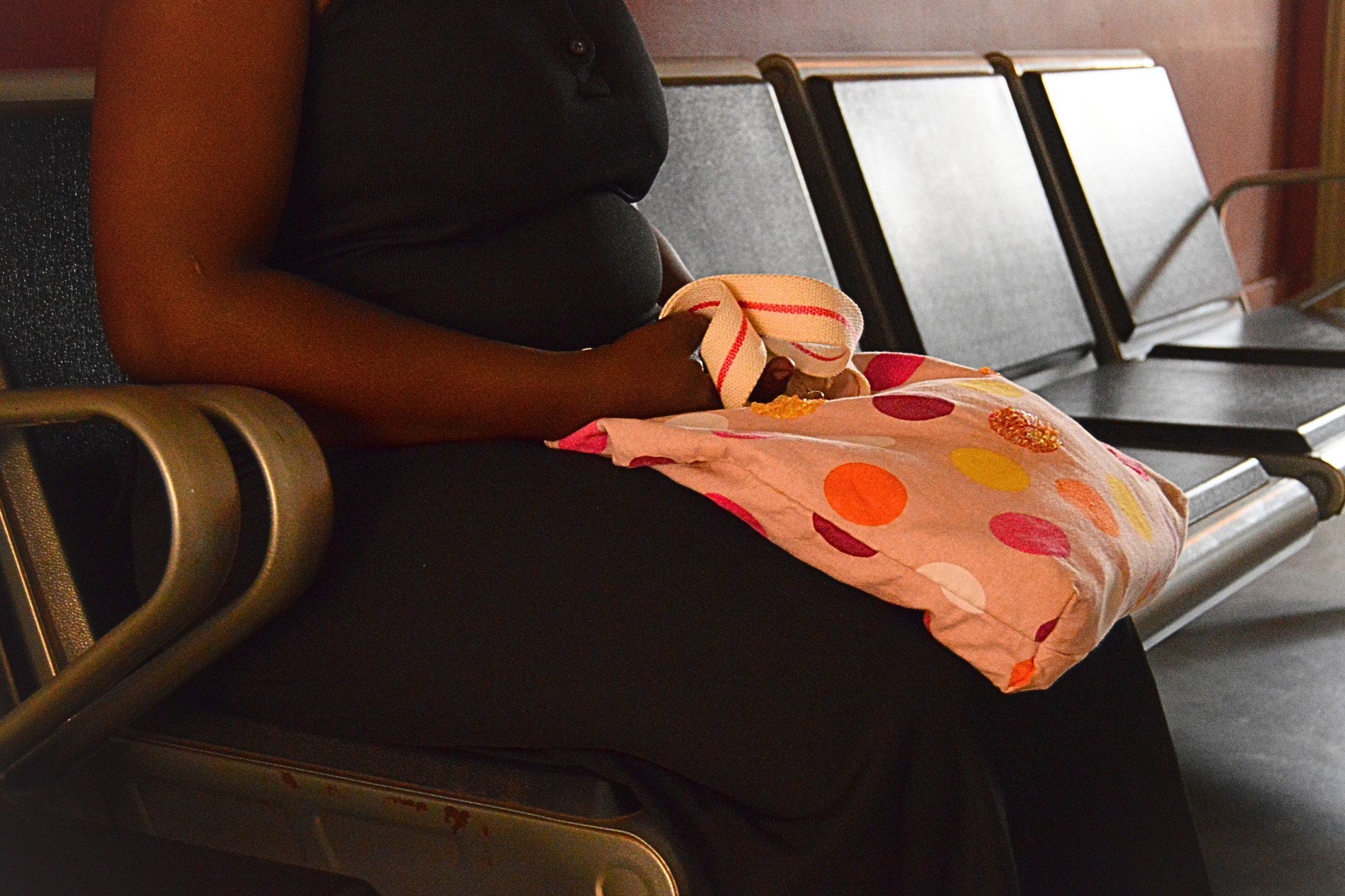
*Scovia* is a 36-year-old mother of three who has been living with HIV for 13 years. Despite her diagnosis, she remains strong and committed to her treatment, ensuring she leads a healthy and productive life.
In October 2020, the Ministry of Health in Uganda initiated a widespread rollout of cervical cancer screening for women living with HIV, as they are at greater risk due to compromised immune systems. This initiative aimed to provide HPV testing to identify and treat precancerous lesions. Additionally, women suspected of having cervical cancer were referred for further management.
On a bright Tuesday, Scovia had her appointment for a refill of her antiretroviral medications. The health workers followed the Ministry of Health guidelines to screen women aged 25 to 49 years. Scovia qualified for the screening. “We received this news during the health talk sessions held every morning. The nurse leading the session was very articulate; she explained how the disease spreads and emphasized the importance of early diagnosis and the available treatments. Initially, I was skeptical about the screening process, which, as she described, was quite unpleasant. However, I wasn't overly worried, especially since my husband had passed away in 2017, just four years before my screening in January 2021, and I hadn't entered into another relationship since then.” Scovia shared.
During the screening process, Scovia received shocking news: she had developed cervical cancer. This confused her because she had not been with any man since the passing of her husband. However, the nurse took the time to explain the scientific aspect to her, helping her understand how this could happen. Initially, the diagnosis left her feeling fearful and uncertain about her future. She worried about her children, her health, and the stigma that often accompanies such illnesses. With thorough counselling and guidance, along with thoughts about her children's futures,
Scovia made the courageous decision to begin treatment. She was referred for further management at the Uganda Cancer Institute. At the institute, Scovia was quickly enrolled in a comprehensive care program where she received specialized cancer treatment. This journey was not easy; it was filled with moments of pain, fear, and doubt. “The nurses regularly visited me at the cancer institute, which made me feel valued and loved.” Scovia smiles. With resilience, determination, and supportive counselling, she completed her treatment and was declared cancer-free in August 2021.
Today, Scovia remains committed to taking her HIV medication consistently and attends regular medical check-ups. She actively promotes the importance of early cervical cancer screenings for women, particularly those living with HIV. Scovia's story serves as a powerful example of hope and resilience. She illustrates that with early detection, appropriate treatment, and strong support systems, women living with HIV can overcome significant challenges and lead healthy, fulfilling lives.